Menopause and Shingles: Understanding the Connection and Protecting Your Health
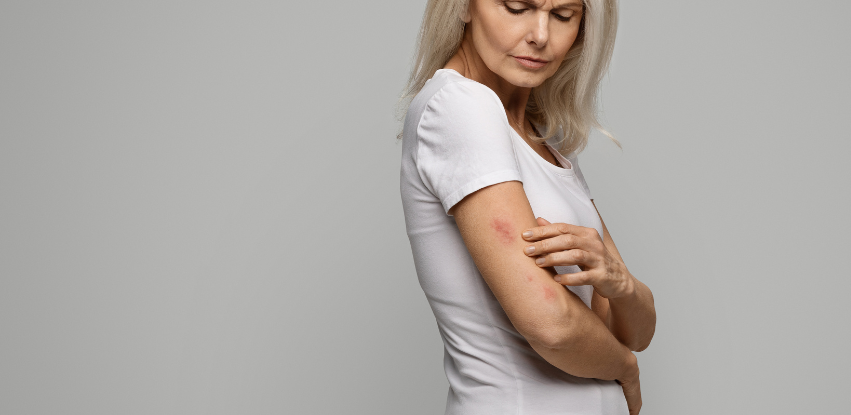
Menopause is a powerful life transition for women — and with it can come a few unexpected health considerations. One question we’re hearing more often at Positive Pause is: is there a link between menopause and shingles?
Let’s take a look at the facts — and, most importantly, what you can do to protect yourself against shingles.
What Is Shingles?
Shingles is the common name for herpes zoster, the same virus that causes chickenpox. It’s triggered by the reactivation of the varicella zoster virus (VZV) — a DNA virus in the herpesvirus family that causes two distinct diseases:
Chickenpox (the primary infection, usually in childhood)
Shingles (a reactivation of the dormant virus later in life)
After you’ve had chickenpox, the virus doesn’t leave your body. Instead, it lies quietly in nerve tissue. Years — even decades — later, it can reactivate, leading to a painful, blistering rash and substantial skin irritation.
Is There a Connection Between Shingles and Menopause?
Research suggests there is a meaningful link between menopause and shingles risk.
The Menopause Society (formerly NAMS) explains:
“Changes in our cellular immunity occur with age, stress, certain medications, and hormones, and make us more vulnerable to viruses, especially those in the herpes family (shingles, herpes simplex, cytomegalovirus).”
The British Menopause Society (BMS) and associated research also report that perimenopausal women have higher rates of shingles than men, potentially due to hormonal changes affecting immune response.
So while menopause doesn’t create shingles, it may make reactivation more likely.
Does Menopause Cause Shingles?
Short answer: No — but it can increase your risk.
Menopause does not directly cause the shingles virus. However, the hormonal shifts — particularly declining oestrogen and progesterone — can weaken the immune response that keeps dormant viruses in check.
Here’s what’s happening behind the scenes:
Reduced oestrogen affects immune regulation.
Increased stress, fatigue and sleep disruption can further suppress immunity.
The dormant varicella-zoster virus may seize this opportunity to reactivate.
This is why shingles is more common in women over 50 — particularly during perimenopause and early postmenopause.
What Are the Risk Factors for Shingles in Menopausal Women?
Understanding risk factors helps you feel empowered, not alarmed.
Immune System Shift
The natural decline in reproductive hormones can subtly weaken immune defence, making viral reactivation more likely.
Timing
The peak incidence of shingles in women coincides with the average age of menopause — between 51 and 54.
Underlying Factors
Stress, anxiety, disrupted sleep and fatigue (all common during menopause) can further suppress immune resilience.
Symptoms to Watch For
Shingles typically presents as:
A painful, burning, or tingling sensation
A rash that develops into fluid-filled blisters
Sensitivity in a band-like area on one side of the body
In women, it can sometimes appear under the breast — a common nerve pathway at this stage of life
Early treatment makes a significant difference, so don’t ignore new or unusual nerve pain.
Prevention and Management: Positive Steps You Can Take
The good news? There’s a lot within your control.
1. Vaccination: Your Best Protection
“When you hit age 50, you really want to think about getting the shingles vaccine.”
NAMS strongly advocates vaccination as one of the most valuable preventive measures for midlife women.
NHS Guidelines – Key Eligibility Details
Routine Age: Anyone turning 65 on or after 1 September 2023 is eligible.
Catch-up Programme: Those aged 70–79 who haven’t had it remain eligible until their 80th birthday.
Immunosuppressed Adults: Those aged 18+ with a severely weakened immune system are eligible.
Vaccine Type: Shingrix (given in two doses, typically 6–12 months apart).
You should be contacted by your GP practice when eligible — but you can also contact them directly to book an appointment.
Vaccination significantly reduces the risk of shingles and its most serious complication, postherpetic neuralgia.
There’s encouraging news about the shingles vaccine. New research involving more than 300,000 people found that those who received the shingles vaccine were less likely to develop mild cognitive impairment—an early sign of dementia—and may experience slower progression of dementia if diagnosed. While more research is ongoing, these findings suggest that getting vaccinated against shingles could offer benefits beyond preventing the virus, making it another positive step women can take to support their long-term brain health and wellbeing.
2. Stress Management and Immune Support
Supporting your immune system during menopause is always a win.
Helpful strategies include:
Gentle yoga or stretching
Mindfulness or meditation
Prioritising sleep
Balanced nutrition
Regular movement
Small, consistent habits can make a big difference.
3. Seek Prompt Medical Care
If you notice:
Burning or tingling nerve pain
A sudden rash, particularly on one side of the body
Blisters developing
Seek medical attention promptly. Antiviral medication is most effective when started within 72 hours of rash onset.
4. Comfort Measures at Home
While home remedies don’t cure shingles, they can ease discomfort.
Baking Soda or Cornstarch
These can help dry blisters and relieve itching.
How to Use:
Paste: Mix two parts baking soda or cornstarch with one part water. Apply to rash for 10–15 minutes, rinse with warm water, and gently pat dry.
Bath: Add 1–2 cups of cornstarch or colloidal oatmeal to a lukewarm bath. Soak for 15–20 minutes. Avoid hot water, which may worsen irritation.
Drying Agent: Lightly dust affected areas to help keep blisters dry.
Always consult a healthcare professional before trying home remedies.
Hygiene Matters
Wash hands thoroughly before and after touching the rash.
Wash towels used on affected areas in hot water.
Avoid close contact with pregnant women, newborns, or immunocompromised individuals until blisters crust over.
The Bottom Line: Knowledge Is Power
Menopause is not something to fear — and neither is understanding your changing health landscape.
Yes, there is a connection between menopause and shingles. Hormonal shifts can influence immune function, increasing susceptibility. But with awareness, vaccination, stress management and early treatment, you can significantly reduce risk and protect your wellbeing.
Menopause is a time of transformation — and informed choices help you move through it with strength and confidence.
Disclaimer: Please consult a healthcare professional for personalised medical advice and for detailed information regarding vaccine eligibility and treatment options.
March 2026
